The Science of Play

Book Open Play

Through Play, Children Learn the Language of Their Emotions

Play is the earliest and most effective way children learn to understand and express their emotions. In moments of exploration, challenge, and imagination, children practice noticing their feelings, navigating frustration, trying again, collaborating with others, and celebrating small victories. These experiences build the foundations of emotional literacy: self‑awareness, self‑management, empathy, and relationship skills.

Through play, children learn not just what they feel, but how to move through those feelings with confidence, skills they carry into every part of life.

Three children laughing together outdoors
Young boy kneeling on a colorful alphabet play mat among toys

Play Is the First Language of Emotional Literacy

Emotional literacy is the ability to identify, understand, and express feelings in a healthy and constructive way.

In early childhood, the brain is rapidly developing the systems responsible for self‑awareness, impulse control, empathy, and flexible thinking. Play gives children a safe, natural way to explore these skills.

When children dig, build, create, or navigate small challenges in play, they’re learning to notice what’s happening inside their bodies, name their feelings, and express themselves through action. These early experiences form the foundation for confidence, communication, and resilience later in life.

Evidence‑Based Insights on Play and Child Development

AAP/Pediatrics

Research shows that play is essential for building emotional regulation, social skills, and healthy brain development. It strengthens the caregiver–child bond and acts as a protective buffer against stress.

Learn More

Play Performance and Psychosocial Problems in School-Aged Children – MDPI.

This study highlights that children who engage in rich, varied play show stronger prosocial behavior and fewer emotional or behavioral challenges. Executive function, the ability to plan, focus, and adapt, grows through play.

Learn More

Play-Based Case Analysis – ResearchGate

Play‑based learning supports the development of language, persistence, flexible thinking, and coping skills. These are the building blocks of emotional resilience and healthy self‑regulation.

Learn More

Where Play Becomes Growth

Discover how intentional play can support emotional development and connection. Connect with Z. Axl’s Dig Yard to learn more or plan your visit today!

Follow Us On Our Socials

Z. Axl’s Dig Yard on FacebookZ. Axl’s Dig Yard on Instagram
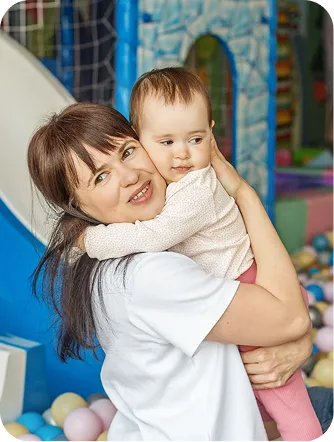
Woman holding a toddler beside an indoor ball pit
3.9k63
Children digging and playing with buckets in a large indoor sandbox
1.9k40
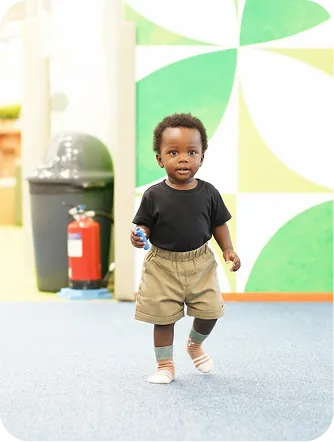
Toddler walking through an indoor play area
4.2k32
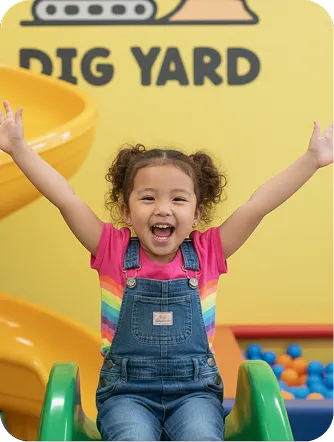
Smiling girl raising her arms on a play structure at Dig Yard
1.2k6
Toddler leaning over the padded edge of a colorful ball pit
1.2k6